














NewWeather Demand Modelling is live. Forecast demand before it arrivesWeather Demand Modelling is live

Our own attribution, in true margin.See which channel really wins each customer, then act on it.

Acquisition & Activation runs a first-party attribution engine, our own pixel, identity graph and touchpoint log, so credit is assigned from journeys we actually captured, never a platform's self-reported number. It compares every attribution model against a fitted blend, triangulates each channel three independent ways to reveal the dark channels a pixel can't see, profiles the customers each source wins, then packages margin-true audiences you sync to Klaviyo and reports the contribution margin they return. We feed the channel; we never touch your store.

Acquisition & Activation · model comparisonDemonstrative data
The same conversions, credited under every model · how credit shifts off last-click, in CM1
last-click baselineReferral+$31kEmail / SMS+$22kOrganic search+$14kMeta paid+$9kDirect−$11kShopping−$38k← loses credit (closer)gains credit (assister) →
Move off last-click and Shopping hands back the credit it was taking for closing journeys others opened, while referral and email reclaim the demand they actually created. This is the read no ad platform will ever give you, credited from your own tracking and denominated in true margin.
Customers acquired
3,840
this period
Attribution models
5 + blend
compared, fitted
Credit shift off last-click
$38k
re-credited to assisters
Dark channels found
$26k
pixel-blind, survey-seen
Best vs worst source
2.4x
first-order CM1 quality
Audiences synced
18
pushed to Klaviyo
Margin intelligence from the award-winning team behind 100+ brands
What it answers

The attribution questions ad platforms can't answer.

Not last-click ROAS. Which channel truly wins each customer, what model you can trust, the channels no pixel can see, and the audiences to act on.

01
Which channel actually wins each customer?
A first-party attribution engine, our own pixel, identity graph and touchpoint log, credits acquisition from the journeys we captured, not the last click a platform claims.
02
Which attribution model can we actually trust?
The same conversions credited under five models and a fitted blend, side by side, with the credit-shift off last-click and the unattributed share shown openly.
03
What is each channel really worth to our margin?
Three independent lenses per channel, what our pixel credited, what customers said, and what it cost, all in contribution margin. Agree means trust, diverge means investigate.
04
What about the channels no pixel can see?
The dark-channel reveal surfaces podcast, radio and word of mouth, the demand every attribution tool silently drops, in the real margin they drove.
05
What do the customers each source wins look like?
A per-source customer profile, Meta-acquired customers look like THIS, Google-acquired like THAT, on repeat rate, lifetime margin, persona mix and where they end up.
06
Which audiences should we activate, and what did they return?
Margin-true audiences synced to Klaviyo, then the closed loop: the contribution margin each activated audience actually generated over time.
The first-party attribution engine

Compare every model. Trust the blend.

Our own pixel, identity graph and order webhook log the real touch sequence behind each order, so we can credit the same conversions under last-click, linear, time-decay, position-based and engagement, plus a fitted blend, side by side. You see exactly how the answer changes by model instead of trusting one black-box number, and the credit-shift off last-click is the decision-relevant artifact: who was over-credited for closing, who was under-credited for assisting. Every figure reconciles to your order count, with the unattributed share shown openly.

  • Five models plus a fitted blend. The same orders, credited every way, in CM1
  • Credit-shift off last-click. Who gains, who loses, when you stop trusting the click
  • Reconciled, honestly. Attributed vs total orders, unattributed shown, never hidden
See the model matrix
Acquisition · model comparison matrixDemonstrative data
Reconciliation · does our attribution tie out to your orders?
Attributed orders
3,612of 3,840
Coverage since pixel
94%since live
Unattributed (shown)
228
Double-counted
0none
The model matrix · credited CM1 per channel under each model
ChannelLast-clickLinearTime-decayBlend ●
Shopping$148k$118k$124k$110k
Meta paid$92k$98k$96k$101k
Referral$34k$58k$52k$65k
Direct$71k$63k$66k$60k
Email / SMS$18k$34k$31k$40k
Organic search$44k$52k$50k$58k
Shopping is credited $148k on last-click but only $110k under the fitted blend, it was closing journeys others opened. Referral nearly doubles. Click any cell in the product to audit the exact touch path behind every order it credits.
Margin triangulation

Read every channel three ways. See the ones no pixel can.

Every other tool tells you what a channel earned. We triangulate three independent lenses on what each channel is worth to your margin: what our pixel credited, what your customers said in a "how did you hear about us?" survey, and what it cost in spend, all in contribution margin. When the lenses agree, trust the number. When they diverge, the gap is the signal. And the dark channels a pixel structurally cannot see, podcast, radio, word of mouth, surface here in the real margin they drove, the demand every attribution tool on the market silently drops.

  • Three lenses, one denominator. Pixel, survey and spend efficiency, all in CM1
  • Agree or investigate. A clear signal on every channel, not one black-box number
  • The dark-channel reveal. Pixel-blind, survey-seen channels, in margin
See your triangulation
Acquisition · margin triangulationDemonstrative data
Three lenses on every channel · all in contribution margin
ChannelPixel CM1Customers saidCM1-ROASRead
Shopping$110k$71k2.1×pixel over-credits
Meta paid$101k$108k3.4×aligned
Referral$65k$94kpixel under-credits
Email / SMS$40k$43k6.2×aligned
Podcastnone$18kdark channel
Word of mouthnone$8kdark channel
Our pixel credited podcast and word of mouth nothing, they leave no click, yet customers named them as worth $26k in margin we would otherwise have missed entirely. Shopping over-credits on the pixel; referral is a discovery channel the click path under-counts.
Channel arrival quality & volume

Acquire for margin, not just for volume.

A cheap source of customers who never pay back is an expensive habit. Plotting each channel by how many customers it sends against the contribution margin of the first orders those customers place separates the channels that bring volume from the ones that bring value. The biggest arrival source is rarely the best one: it surfaces the high-volume, low-quality channel to rethink and the small, high-quality channels worth scaling. Strictly descriptive arrival quality at the moment of arrival; the cost side and the lifetime side each have their own view.

  • Volume against value. Customers sent plotted against first-order CM1 quality
  • Cheap is not free. High-volume, low-margin channels surfaced honestly
  • Scale what compounds. The small channels that arrive far above baseline
See your arrival quality
Acquisition · arrival quality by channelDemonstrative data
Channel arrival quality · customers sent against first-order CM1 quality
$0$18$36baseline arrival qualityShoppingMeta paidReferralDirectOrganic searchEmail / SMSDeep-discountcustomers sent →
Shopping is the largest arrival source by far but sends the lowest-quality entries, while email, referral and direct send fewer customers who arrive far above baseline margin. Deep-discount arrives negative. Acquiring for volume and acquiring for margin are not the same thing.
Per-source customer profile

Meta-acquired customers look like this. Google's look like that.

Two channels can send the same number of customers and acquire completely different people. The per-source profile is the cross-cut: one card per acquisition source, each a one-glance archetype of the customers it wins, repeat rate, lifetime contribution margin, the persona mix from the identity engine, the entry-product split, and where that cohort ends up, champions and loyalists versus one-and-done. It is the single read that makes every other number interpretable: not just that a channel is cheaper, but who it actually brings you.

  • One archetype per source. Repeat, CM1-LTV and persona mix, side by side
  • Where they end up.Each cohort's share reaching loyal vs one-and-done
  • Ties to segmentation. The persona mix links straight to who they are in life
See your source profiles
Acquisition · per-source customer profileDemonstrative data
Per-source profile · who each channel actually acquires
Meta-acquired
Discovery-led, higher lifetime margin, skews to full-price gin entry.
Repeat rate41%
CM1-LTV$186
Endcap38% loyal
Persona mix
Google-acquired
Intent-led but pre-mix heavy, lower repeat, one-and-done risk.
Repeat rate25%
CM1-LTV$114
Endcap17% loyal
Persona mix
Referral-acquired
Warmest cohort, highest repeat, broad category breadth.
Repeat rate47%
CM1-LTV$212
Endcap44% loyal
Persona mix
Referral and Meta acquire higher-margin, gin-led customers who stay; Google Shopping brings pre-mix one-timers at almost half the lifetime margin. Same spend, very different customer, the read that decides where the next dollar goes.
Cross-product acquisition

See which front door flows into a second order.

Attribution tells you which channel won the customer; the cross-product read tells you which product did, and where they went next. Built from your order history alone, it maps every entry product to what customers expand into, so you can see which front doors flow straight into refills and subscriptions and which lead nowhere. It is the cross-sell view no ad platform can give you, and it works before a single ad account is connected.

  • Entry to expansion. Every front-door product mapped to what comes next
  • Repeat by entry product. Which products acquire customers, not just orders
  • Works on day one. Built from order history, no ad account required
See your front doors
Acquisition · entry product to what customers buy nextDemonstrative data
Cross-product acquisition · entry product to what customers buy next
Starter kitBestsellerSample packGift setRefill / subscriptionPremium rangeBundleNo repeatentry productexpands into
The starter kit brings customers in and flows them straight into refills and subscriptions, while the sample pack mostly leads nowhere. This is the cross-sell read no ad platform can give you, built from your own order history.
Canonical audience library

Turn every read into an audience, synced to Klaviyo.

Insight that stays on a chart changes nothing. Every read in Margin OS becomes a margin-true audience in a canonical library: a VIP lookalike seed, a second-order nudge, a win-back for lapsing value, a suppression list to keep one-time deal seekers out of full-margin sends. Each is built on true contribution, deduped against the others to stop over-messaging, and pushed to Klaviyo as a list. We add the people to the list, you press send. Membership-only activation, we never send for you and never touch your store.

  • Built on margin. Audiences defined by contribution, not recency or spend
  • Deduped and canonical. One library, no customer hit by three lists at once
  • Pushed to Klaviyo. Membership sync; your team presses send
See your audiences
Activation · canonical audience libraryDemonstrative data
Margin-true audiences · built, deduped, pushed to Klaviyo
VIP lookalike seedsynced
2,140 members
Your highest-margin customers, the seed to acquire more like.
Second-order nudgesynced
3,610 members
First-time buyers of a high-repeat entry product, primed to return.
Win-back: lapsing loyalsynced
980 members
Once-valuable customers slowing down, the highest-value recovery.
Suppress: one-time dealoverlaps 6%
4,250 members
Discount-only one-timers to keep out of full-margin sends.
Every audience is built on true margin and deduped, so the same customer is not hit by three lists at once. Each one pushes to Klaviyo as a list. You approve and send; we add the members and never touch your store.
Audience performance

Close the loop: the margin each audience returned.

Klaviyo shows you revenue. It never shows you contribution margin, and it certainly never tells you what a specific audience returned. Audience Performance closes the loop: push a margin-true audience, target it, and we report the true CM1 that audience generated over time, the dispatch month marked so you can read contribution before and after. It is descriptive performance reporting in real margin, the only place that shows what an activated audience was actually worth, drillable to the members who came back.

  • In true margin.The CM1 an audience returned, not Klaviyo's revenue
  • Before and after. The dispatch month marked on the trajectory
  • Drillable. Down to the members who returned and what they carried
See audience performance
Activation · audience performanceDemonstrative data
Win-back: lapsing loyal · CM1 returned over time, dispatch month accented
$0$22k$44kJanFebMarAprMayJunJulAugdispatch (teal)
The win-back audience returned $38k of CM1 in the three months after dispatch, against a baseline near zero. Klaviyo would only ever have shown the revenue. This is the closed loop in true margin, drillable to the 612 members who came back.
Where the numbers come from

Our own tracking, reconciled to true profit.

Attribution is credited from journeys we captured ourselves; the cross-product and audience reads work from your order history, so the core read runs from day one.

First-party attribution engine

Our own pixel, identity graph and order webhook log the real touch sequence behind each order, so credit is assigned from journeys we captured, never a platform's self-reported number.

Margin OS pixelGoogle AdsMeta

Orders & true cost

Every order, refund and discount with COGS, shipping and fees, so each channel and each entry product is judged on contribution margin, never revenue passed through.

ShopifyWooCommerceCost feeds

Survey & owned audiences

A "how did you hear about us?" survey powers the third lens and the dark-channel reveal; every audience pushes to Klaviyo as a list and reports the CM1 it returns.

KlaviyoEmail / SMSSurvey
Every figure is reconcilable to its source, an attribution read a CFO signs off.
The team behind it

Built by an award-winning analytics team.

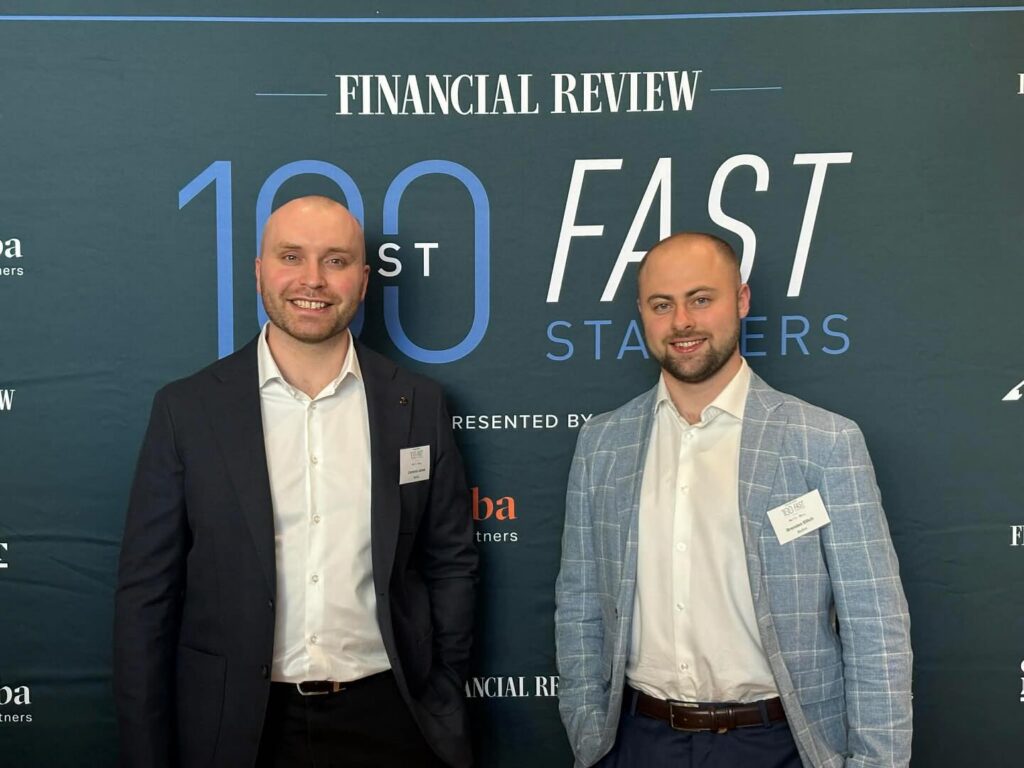
Margin OS comes from Blufire, trusted by 100+ mid-market and enterprise brands and recognised across the APAC and Global Search Awards. The same people now model your margin.

100+
Brands served
$5M-$1B
Turnover served
4
Industry awards
100 Fast StartersAPAC Search Awards 2025 WinnerGlobal Search Awards 2025 FinalistGlobal Agency Awards 2025 Finalist
Questions

The things buyers ask.

We run our own first-party attribution engine: a pixel, an identity graph and an order webhook that log the real touch sequence behind each order. So credit comes from the journeys we actually captured, not a platform crediting itself for the last click. Every figure reconciles to your order count and the unattributed share is shown openly, never hidden.
Because the answer changes by model, and trusting one black-box number hides that. We credit the same conversions under last-click, linear, time-decay, position-based and engagement, plus a fitted blend, side by side. The credit-shift off last-click is the decision-relevant artifact: it shows who was over-credited for closing journeys others opened and who was under-credited for assisting.
We read each channel three independent ways, all in contribution margin: what our pixel credited, what customers said in a 'how did you hear about us?' survey, and what it cost in spend. When the lenses agree, trust the number; when they diverge, that gap is the signal. A dark channel is one a pixel structurally cannot see, podcast, radio, word of mouth, that the survey reveals in the real margin it drove.
Two channels can send the same number of customers and acquire completely different people. The per-source profile is the cross-cut: one archetype card per source showing repeat rate, lifetime contribution margin, persona mix and where that cohort ends up. It is the read that makes every other number interpretable, not just that a channel is cheaper, but who it actually brings you.
Every read becomes a margin-true audience in a canonical library: a VIP seed, a second-order nudge, a win-back, a suppression list. They are deduped so the same customer is not hit by several lists at once, and pushed to Klaviyo as a list. We add the members; your team presses send. Then Audience Performance closes the loop, reporting the true CM1 each activated audience returned over time, the margin Klaviyo never shows you.
Yes. The cross-product acquisition read, who buys what next, and the margin-true audiences are built from your order history alone, so they work on day one. The attribution engine starts crediting from the moment the pixel goes live and sharpens as journeys accumulate; we are honest that it only sees traffic from then on, never the retrofitted past.

See which channel really wins each customer.

Drop in our pixel and connect your store and costs. We credit acquisition from your own tracking, compare every model, triangulate each channel in true margin, and hand you the audiences to act on.

01

Drop in the pixel

Our first-party tracking starts logging journeys.

02

Connect store & costs

Orders, COGS, shipping and fees, mapped with us.

03

Compare the models

Five models and a fitted blend, reconciled in CM1.

04

Triangulate & profile

Three lenses per channel; who each source wins.

05

Activate & measure

Sync to Klaviyo; read the CM1 it returns.

Book a demo Talk to an analyst